
Dividing Fine Art, Coins and Collectibles in a High-Net-Worth California Divorce
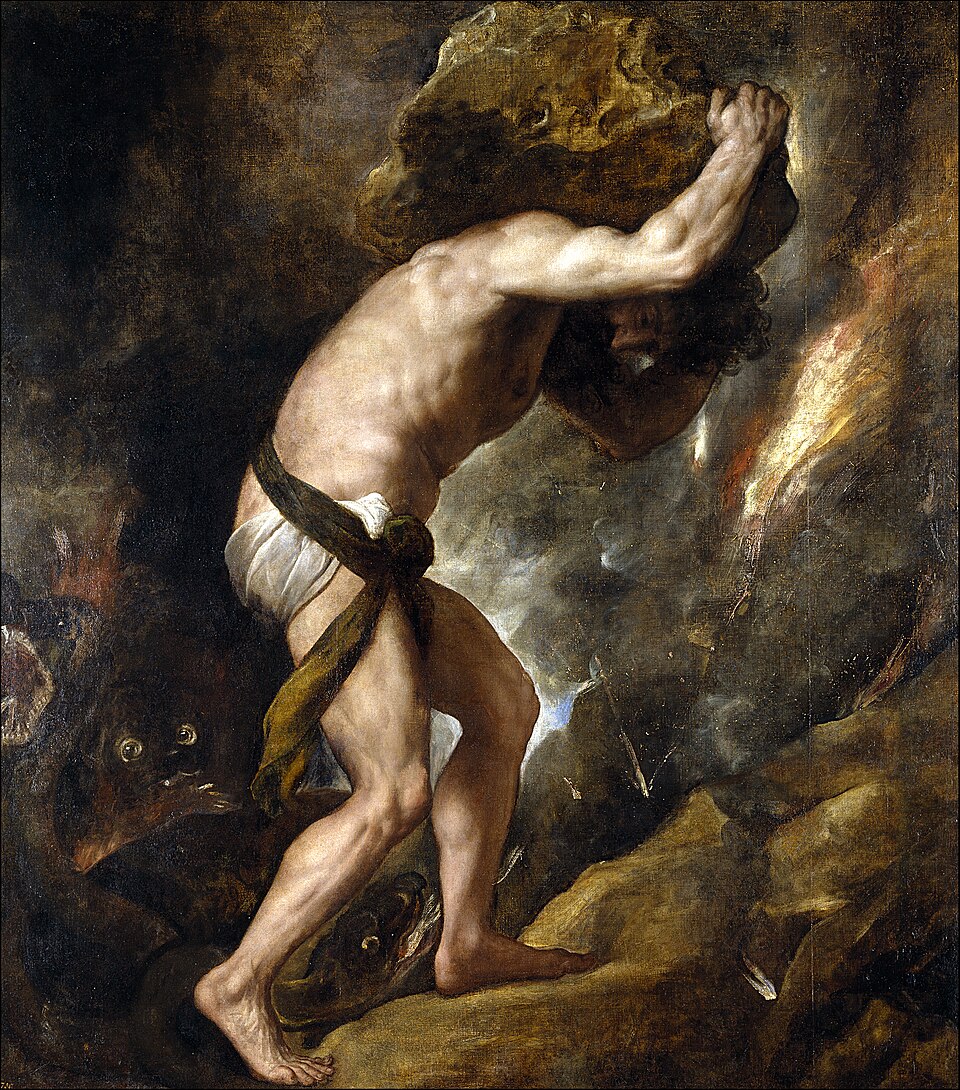 For people with substantial or unusual assets, dividing property in a divorce may involve far more than allocating bank accounts, retirement benefits and real estate. A marital estate may include fine art, antiques, rare coins, jewelry, watches, historical objects, textiles or an entire collection assembled over many years.
These assets present distinctive questions. Who owns the property? Was it acquired before or during the marriage? Was any part inherited or received as a gift? Is the existing appraisal reliable for divorce purposes? Should the collection be divided, retained by one spouse or sold? If a sale is appropriate, which auction house or private-sale venue is most likely to produce the best net result?
Answering those questions requires careful legal analysis, reliable valuation evidence and an informed understanding of what may happen if the parties cannot reach a settlement.
Why Fine Art and Collectibles Require Special Treatment in Divorce
Fine art and collectibles are not always readily interchangeable with cash or publicly traded securities. Their value may depend on factors that do not appear on an ordinary financial statement, including:
- The artist, maker, period or origin
- Provenance and ownership history
- Authenticity and attribution
- Condition, restoration and conservation history
- Rarity and desirability
- Certification or grading
- Current collector demand
- The geographic market in which the property is offered
- The reputation and specialized clientele of the proposed auction house
- The expenses and tax consequences associated with a sale
A rare coin may require professional grading or authentication. An artwork may need to be examined for condition, provenance and attribution. Antique textiles, such as 19th- or mid-20th-century Indian dhurries, may appeal to a specialized group of collectors that a general auction house does not regularly reach. Particular categories of Asian art may likewise perform differently depending on the auction venue, location and timing.
The first quoted value should therefore not automatically be accepted as the property’s value for settlement or trial.
Identify, Document and Preserve the Collection
Before deciding how property should be divided, the parties should develop a reliable inventory. Depending on the nature and value of the collection, that may include:
- Clear photographs of each item
- Purchase invoices and payment records
- Prior appraisals
- Insurance schedules
- Certificates of authenticity
- Grading or condition reports
- Auction and gallery records
- Shipping, storage or restoration records
- Evidence concerning inheritance or gifts
- Communications with dealers, advisers or auction houses
The physical location and condition of the property should also be documented. Appropriate insurance, storage and security may need to be maintained while the divorce is pending.
A spouse should consult counsel before selling, transferring, concealing, removing or materially changing valuable property after a divorce proceeding begins. California divorce cases ordinarily involve automatic temporary restraining orders affecting certain transfers and dispositions of property.
Determine Whether the Property Is Community or Separate Property
Before a collection can be divided, the parties must determine their respective ownership interests.
An item acquired during marriage may generally be treated differently from an item owned before marriage or received by gift or inheritance. The analysis may become more complicated when separate and community funds were both used to acquire, preserve, restore or improve an item.
For example, one spouse may have purchased artwork before marriage but used marital earnings to restore, insure or make payments associated with it. A collection may also have expanded during marriage, with some pieces acquired before marriage and others acquired later. Documentation tracing the source of acquisition funds can become important.
More information about the basic characterization of marital property is available on the firm’s California community-property page.
Detailed disclosure is especially important. Describing an asset merely as “artwork” or “coin collection” may not provide enough information when the collection contains separately identifiable pieces with materially different histories and values. The firm has also discussed listing assets and debts in a California divorce.
Obtain the Right Type of Valuation
Not every appraisal answers the same question.
An insurance appraisal may estimate the cost of replacing an item in a retail market. An auction estimate may describe an expected bidding range. A dealer’s purchase offer may reflect the price the dealer is willing to pay after accounting for resale costs and profit. Those figures may be substantially different from the value relevant to a divorce settlement or trial.
The parties and their attorneys should consider:
- The appropriate valuation date
- The purpose and standard of the valuation
- The appraiser’s qualifications and specialty
- Comparable private or auction sales
- The condition and provenance of the property
- Whether authentication or grading is required
- The likely expenses of realizing the stated value
An auction estimate is not a guarantee of the final sales price. Nor does the hammer price necessarily equal the amount available for division after commissions and expenses.
In a significant case, each side may retain an expert. The parties may instead agree upon a neutral appraiser or specialist. The right approach depends on the nature of the property, the range of disputed values and the cost of the appraisal process.
A Sale Is Not the Only Way to Divide a Collection
Selling the collection and dividing the net proceeds may be appropriate, but it is not the only available solution.
Division in Kind
The spouses may divide individual pieces between them. This can work when the collection contains enough items of reasonably comparable value and the parties agree about which pieces each person will retain.
Buyout
One spouse may retain all or part of the collection and pay the other spouse for that spouse’s interest. A buyout requires a defensible valuation and careful attention to whether the figure represents gross value or the amount that might actually be realized after sale expenses.
Offset Against Other Property
A spouse who retains a collection may give up an interest in another asset, such as cash, securities or real estate equity. This may avoid the expense and disruption of a forced sale. Similar practical considerations arise when one spouse seeks to buy out the other spouse’s interest in a marital residence.
Sale by Agreement or Court Order
If neither spouse can or should retain the property, a sale may provide liquidity and an objective market result. Even then, the parties must decide whether to use an auction house, private dealer, brokered sale or another appropriate market.
Selecting the Right Auction House
When several auction opportunities are available, the largest preliminary estimate does not necessarily identify the best venue. The objective should be to obtain the strongest reasonably achievable net result under appropriate sale terms.
The Audience Most Likely to Compete for the Property
The most important question may be whether the auction house regularly reaches buyers who collect the specific type of property being offered.
A general auction house may not have the mailing lists, specialist contacts or established clientele necessary to create meaningful competition for antique Indian dhurries, a particular category of Asian art, rare coins or other specialized property.
The Auction House’s Strength in the Artist or Category
Auction houses have different areas of expertise. One may have a strong contemporary-art department, while another is recognized for antiquities, rare coins, decorative arts, jewelry or textiles.
Relevant considerations include the auction house’s prior sales of comparable property, specialist staff, marketing capabilities, bidder participation and demonstrated results in the applicable category.
The Regional and International Market
Location may affect the result. Certain artists, schools and categories of property have stronger followings in particular cities, countries or regions. Proximity to museums, galleries, institutional buyers and established collecting communities may increase interest.
For some property, international marketing or online participation may broaden the bidder pool. For other items, a regional specialist may understand and reach the most committed buyers.
The Complete Financial Terms
The parties should compare more than the auction estimates. The consignment terms may address:
- Seller’s commissions
- Photography and catalog charges
- Shipping and insurance
- Storage and handling
- Restoration or conservation
- Marketing expenses
- Reserve prices
- Unsold-lot fees
- Withdrawal charges
- Payment schedules
- Taxes and other transaction expenses
An apparently higher estimate may produce a lower net recovery after expenses. The decision should be based on the likely net proceeds, the strength of the market and the risks associated with the proposed sale.
Timing and Presentation
Auction timing, catalog placement, lot descriptions, photography and whether related items are offered separately or together can influence bidding. Valuable property should not be rushed to market merely because a divorce is pending if a more deliberate process is reasonably available.
The parties should also consider whether disclosure of the ownership dispute could affect confidentiality, security or marketing. High-profile or especially valuable collections may require additional discretion.
Trial-Informed Negotiation in a High-Asset Divorce
A well-informed settlement is ordinarily preferable to the expense, delay and uncertainty of trial. But an effective settlement strategy requires more than dividing an appraisal figure in half.
Counsel must evaluate the available documentation, competing valuation methods, separate-property claims, expert opinions, transaction costs, evidentiary problems and the range of orders a judicial officer might make if the dispute is tried.
Extensive trial experience is valuable even when a case settles. It helps an attorney evaluate the strength of the evidence, identify what additional proof will be needed, formulate settlement proposals grounded in likely court outcomes and assess whether an opposing proposal fairly accounts for litigation risk.
With more than 30 years of trial experience and over 43 family law trials, Galen Gentry brings a trial-informed perspective to negotiations involving complex property. His experience helps him assess how disputed evidence, expert opinions and separate-versus-community-property claims may be received if presented to a judicial officer.
That perspective can support practical settlement recommendations. It also allows the case to be prepared for trial when reasonable negotiations do not produce a fair resolution.
An Educational Background Relevant to Fine Art and Collectibles
Mr. Gentry studied at King’s College London and Emory University and holds a Bachelor of Arts degree in Art History. That educational background gives him an informed appreciation of the issues that can arise with fine art, antiques and specialized collections.
An attorney’s art-history education does not replace the work of a qualified appraiser, authenticator, conservator or tax professional. It can, however, help counsel recognize important questions, communicate effectively with appropriate specialists and understand why the selection of an expert or sales venue may materially affect the outcome.
When appropriate, the firm works with appraisers, forensic accountants, tax professionals, auction specialists and other experts needed to develop reliable evidence for settlement or trial.
Schedule a Confidential Strategy Session
 If your divorce involves fine art, rare coins, antiques, jewelry, watches, historical objects or another valuable collection, early planning can help preserve the property, develop reliable evidence and keep appropriate settlement options available.
Galen Gentry Law Group represents clients in California divorces involving significant assets, complex property characterization and difficult valuation questions. The objective is to pursue an informed and efficient resolution while remaining prepared to present the matter at trial if necessary.
To arrange a free, confidential and no-obligation strategy session with attorney Galen Gentry, call 310-282-7521 or use the firm’s online contact form.